In September, I learned that my environment is the ‘invisible hand’ shaping my life—and I learned it the hard way when we moved. Suddenly, the kitchen layout was different, the gym was in a new spot, well technically, the gym was still at the old house and I was living in the new one, and—the biggest hurdle—my commute increased significantly.

What used to be a seamless routine suddenly felt like trying to solve a Rubik’s cube every day.
Out of Sorts
When your environment changes, your brain loses its “cues.” If you used to put your shoes by the door, but now that door is in a different room, that tiny friction can be enough to make you skip a workout. I found myself facing the same obstacles I help my coaching clients navigate: the “I don’t have time” trap and the “I’ll do it tomorrow” fatigue.
As I look forward in 2026, I’m using my half-marathon goal as a springboard to audit my new life. I actually dove deep into the vision driving this goal in the first episode of my podcast last week if you want to hear more of the backstory. Rebuilding habits isn’t about willpower; it’s about engineering. It’s about looking at the new commute, the new floor plan, and the new schedule, and asking: “Where does the ‘new me’ fit in here?”
In this post, I’m sharing the three-step “Environment Audit” I used to reclaim my consistency. Because whether you’ve moved houses or just moved into a busier season of life, you don’t need more discipline—you need a better map.
The “Environment Audit”: 3 Steps to Reclaim Your Routine
To get back on track after my move, I had to stop relying on my memory and start relying on a system. Here is the 3-step audit I used (and that you can use, too):
1. Identify the “Friction Points”
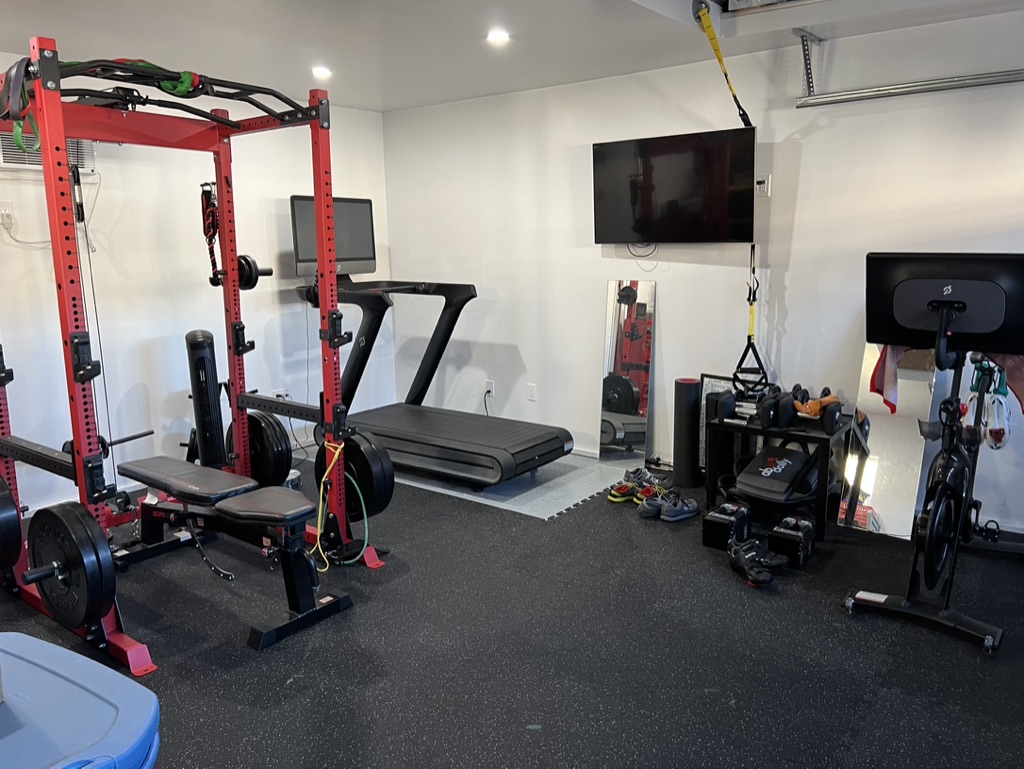
Take a hard look at your new layout or schedule. For me, the longer commute meant I was arriving home exhausted with no desire to head out to the gym. Even with the gym literally attached to my house, the mental weight of the commute was still winning. I realized that proximity doesn’t guarantee consistency—systems do. My solution? I stopped treating my workouts as a suggestion and started treating them as a binding appointment. I put the workout on my calendar exactly like a doctor’s visit or a staff meeting. By making this commitment public—sharing my long-term goals on my podcast—I turned a private struggle into a public promise. When it’s on the calendar and the world is watching, “just doing it” becomes the only option.

- Ask yourself: What is the one physical or mental hurdle standing between you and your workout right now?
2. Audit Your “Decision Fatigue”
A move forces you to make a thousand tiny decisions a day, but the daily mental load of our careers is what really drains the battery. For those of us in education, we spend all day making hundreds of micro-decisions for others. By the time the school day ends, that “willpower battery” is tapped out. I realized that if I had to decide what to do in the gym after a full day of giving my mental energy to everyone else, I probably wouldn’t do anything at all.
To combat this, I decided to use the same training app I use for my coaching clients. When I walk into my garage, I don’t ask, “What should I do today?” I just look at the app, open the workout for the day and execute. Reducing the need to think is the secret to staying consistent when your workday is demanding.
- Ask yourself: What part of your routine requires too much mental energy after work, and how can you automate that choice ahead of time?
3. Anchor to a Static Habit
My biggest issue was coming home and letting myself sit on the couch. Once I got comfortable there with the cats, it was over. My solution? I started using external accountability in the form of my pets. Even when your house or commute changes, your responsibilities don’t. I’ve started anchoring my workout to my cats’ dinner. They don’t get fed until my workout is done. Believe me, nothing cures procrastination faster than several hungry cats staring you down while you try to talk yourself into going out to the gym.


- Ask yourself: What is a non-negotiable part of your daily chores that you can “stack” your workout right before?
Design Your Environment, Protect Your Progress
What is the one friction point standing in your way right now? Identifying it is the first step toward a system that actually works. I’ll be documenting my own 3-year journey to the half-marathon and sharing the systems I’m building along the way. If you’re ready to stop relying on willpower and start designing your life, I’d love for you to follow along on my podcast or connect with me on Instagram where I share tips, insights and pictures of the cats!